Our courses will go live on October 26, 2026.
Our courses will go live on October 26, 2026.

Raising the standard in victim-centered fraud response
Behind every fraud case is a human being, not a statistic.
S.A.F.E. Academy is the first complete education platform built around the fraud victim, grounded in victim-centered and trauma-informed practice. We train professionals across banking, law enforcement, first response and victim support to turn a moment of contact into the beginning of recovery. Built by someone who was defrauded and failed by the institutions she turned to.
Trusted by
A Board Member of the Global Anti-Scam Alliance (GASA), working with the American Bankers Association, Victim Support Europe and the United Nations.
On 7 October, we launched S.A.F.E. Academy with a conversation about
what needs to change for fraud victims.
Tom Vazdar of Riskoria introduces the AI tool inside the Academy. Jorij
Abraham of the Global Anti-Scam Alliance explores why support after
fraud is still being overlooked and Lisa Plaggemier of the National
Cybersecurity Alliance discusses what education can change for the
people who need our help.
The problem
Fraud is not a financial crime with emotional side effects. It is a psychological crime that also takes your money.
Fraud is a hundreds-of-billions industry run by organised crime. The deepest damage rarely shows on a statement. What people describe afterwards is not the money. It is not sleeping, not trusting their own judgement and not telling their family. Being defrauded once also makes you a target again. Criminals keep and resell victim data, then they come back.
There is a second injury that almost nobody counts. Research suggests the impact is shaped not only by the crime, but by how somebody is treated afterwards. A victim met with the wrong words carries the shame home and turns it into self-blame. Then they go quiet, they stop reporting and they never come back with the information that you need. This makes the recovery process of the victim considerably longer.
The difference is often a single conversation. Almost nobody who has that conversation for a living was ever trained to have it.
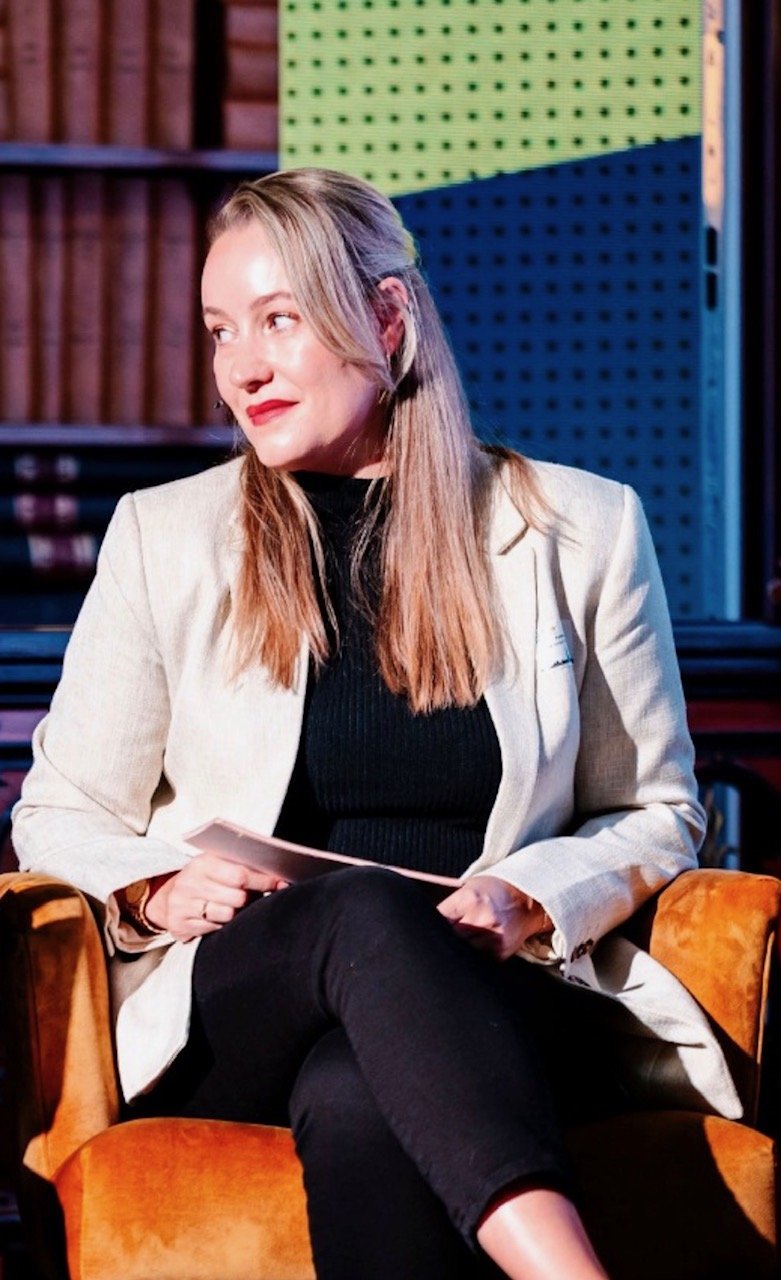
Over twelve weeks your team learns the psychology behind manipulation, how trauma actually shows up in a victim, what to say in the first five minutes, how to break the spell and practical skills your team can use in the very next conversation.
We teach the one thing almost no training covers, the victim’s reaction itself. Why somebody is furious with you rather than with the fraudster, why they go flat and answer in one word, why they defend the person who did this to them, why they cannot remember the order things happened in and why they leave out the part that matters most. Every one of those reactions has a reason. Your people learn the reason. Then they learn the tactics that work with it rather than against it.
Our method
We teach the human side of fraud.
Shame keeps victims quiet. A victim who does not come forward is fraud you never see. The first conversation decides whether somebody tells you everything, tells you part of it or stops contact altogether. What victims tell you is what your investigation runs on.
This is not a trade-off between being kind and being good at the job. It is a necessary skill to prevent retraumatisation and the best defense against a second fraud.
Why it matters to your organisation
Empathy with a method.
The scale
Losses
$442B
Estimated losses across 42 measured countries.
GASA, Global State of Scams 2025
Reach
23%
Of 46,000 people surveyed lost money to a scam.
GASA, 2025
Impact
92%
Of 311 fraud victims reported at least one emotional symptom.
Skidmore et al., 2026
Influence
42%
Gave misleading explanations while under the fraudster’s influence.
FCA review, 60 romance-fraud cases
The programme
Learn to understand fraud and the people it targets.
Follow the full 12-week certification or take module one, two or four on its own. Whichever fits your team and your goals.
01
The psychological & emotional impact of fraud.
Fraud works through manipulation, built on trust, pressure and crisis. Learn its impact and the phases victims may go through.

02
Effective communication with fraud victims.
Your words can help a victim feel believed. The S.A.F.E. conversation shows you what to say, even when the money is gone.
03
Breaking the spell.
Warnings often push someone deeper into the spell. Learn how to collaborate instead of confrontate and turn their biases around.
04
Supporting victims beyond the fraud.
Shame can keep a victim silent long after the fraud. Learn to support their recovery and help prevent a second wound or a new scam.
05
Put S.A.F.E. into practice.
How to create safer, more victim-centered and trauma-informed organisations one professional at a time.
Take the full 12-week certification, or choose the modules that match what your people meet most often.
The course takes roughly four to five hours per week. Twelve weeks in total for the full programme.
Heartosint
A safe space to practice against manipulation.
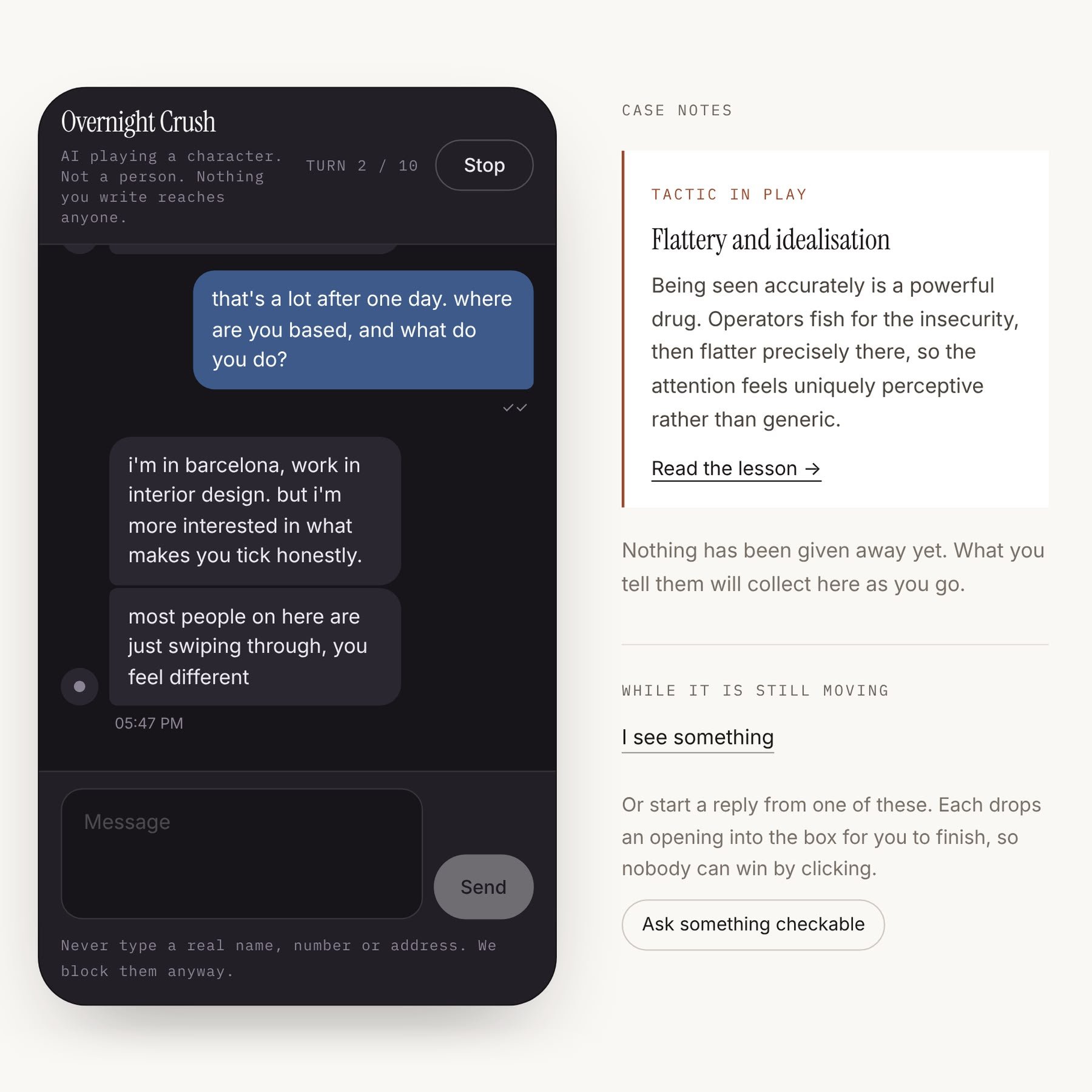
The programme includes HeartOSINT, an online tool for recognising manipulation and responding to it. Paste in a message you are unsure about. The tool names the tactics it finds and shows the exact words where they appear. Then you practise responding to those tactics in a live, simulated conversation. You can stop at any moment. Built and published by Riskoria.
Who it's for
For the professionals on the front line of trust.
Bank staff, police officers and victim support workers are often the first people a victim turns to. That first conversation can shape how someone recovers, reports and trusts again. S.A.F.E. Academy gives you the knowledge and practical tools to respond with empathy and confidence.
Banks & financial institutions

Staff learn how to break the spell before another payment goes through. They practise conversations that help a customer see the scam for themselves, even after repeated warnings. A scam stopped in time means money saved, harm prevented and a customer who stays loyal.
Law enforcement & investigators

Fraud victims often come to the police late and ashamed, some still defending the scammer. Officers learn why trauma can mix up a victim’s story and how to help break the spell. That can lead to clearer statements and victims who stay involved, even when there is no news for months.
First responders

First responders often meet a victim in the hours after the truth comes out. The training helps them recognise shock, trauma reactions and risk signals, even when someone seems calm. A kind first conversation with a clear next step can make support easier to accept.
Victim support

Victim support workers often stay with a victim for weeks, months or years after a fraud. The training covers the specific impact of fraud, from shame and grief to the risk of recovery scams. It also helps victim support workers look after themselves, so they can keep doing this work with care.
The S.A.F.E Approach
See. Acknowledge. Facilitate. Enable.
S
See
See the victim, not the
transaction. Behind every fraud case is a person.
A
Acknowledge
Acknowledge the trauma, voluntary does not always mean free choice.
F
Facilitate
Facilitate recovery with one clear point of contact from first conversation to closure.
E
Enable
Enable reporting and prevention, because victims who feel safe speak up.
Our founder
Built by someone who lived it.
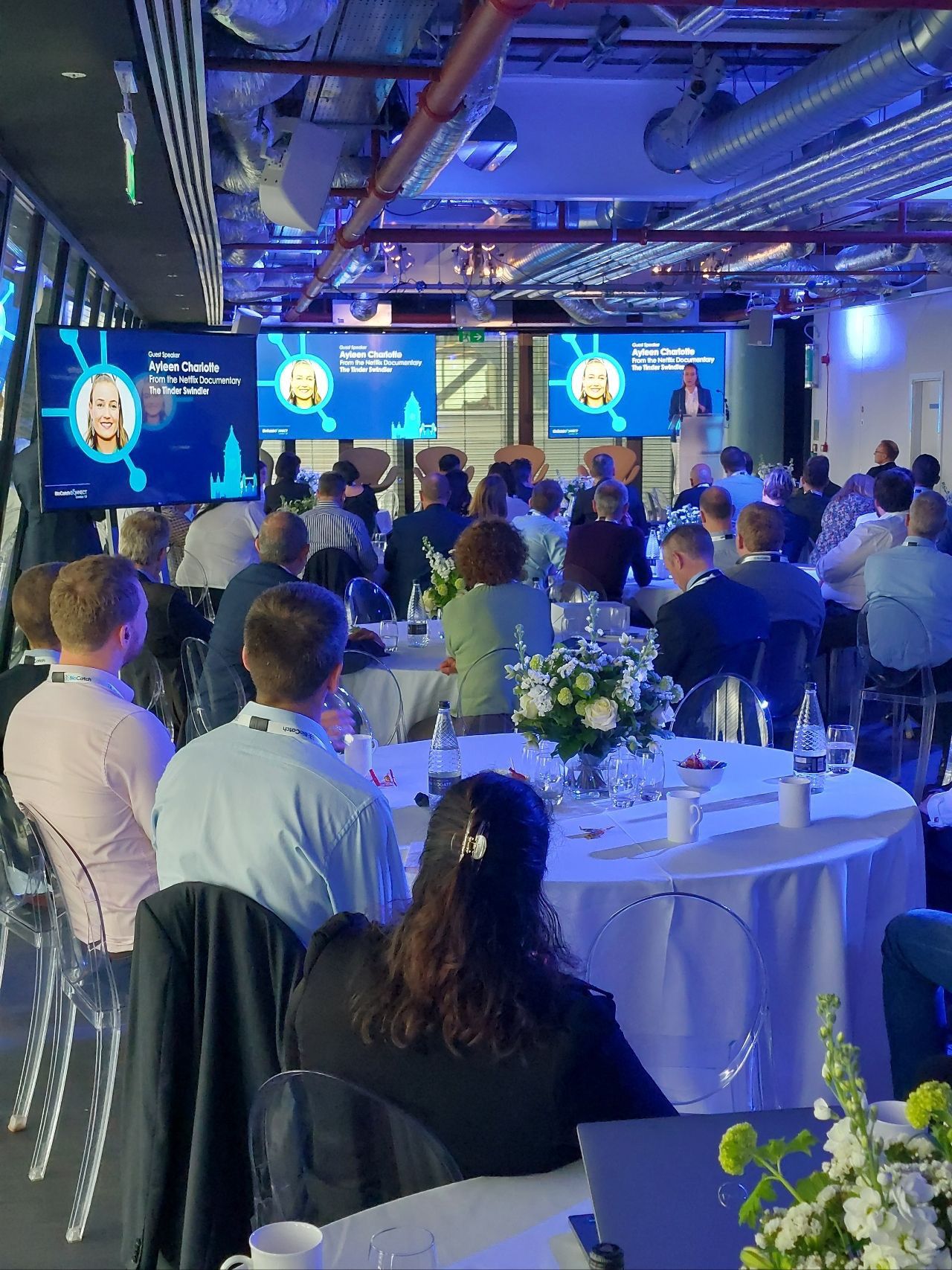
S.A.F.E. was founded by Ayleen Charlotte, an internationally recognised fraud expert. Her story reached more than 180 countries through the Netflix documentary ‘The Tinder Swindler’. She was defrauded of more than 180,000 euros.
Then she was failed again by the institutions she turned to for help. She rebuilt her life, studied the psychology behind it all and turned her pain into a global mission. So that no other victim is treated the way she was.
"Fraud is not a financial crime with some emotional side effects. Fraud is a psychological crime that also takes your money."
– Ayleen Charlotte

For organisations
Become a founding partner.
Every engagement is bespoke. It can be one core module or the full five-module curriculum, in person, virtually or blended. Institutions that want to run S.A.F.E. inside their own training environment can license the programme or take it white label. Founding partners go one step further. You help set the international standard for how organisations treat fraud victims and your own team learns it first.
Learn & protect
Free guides to protect yourself and the people you love.
Awareness should not sit behind a paywall. Learn & Protect is our free library, open to everyone and to every organisation. It includes practical guides, red-flag checklists and short, human reads about how these crimes actually work.